The Roll-to-Book Block Digital Finishing Line represents a step change in digital post-press technology. By converting continuous printed rolls into fully stacked book blocks with minimal manual steps and high automation, it empowers print operations with improved productivity, flexibility, and throughput.
|
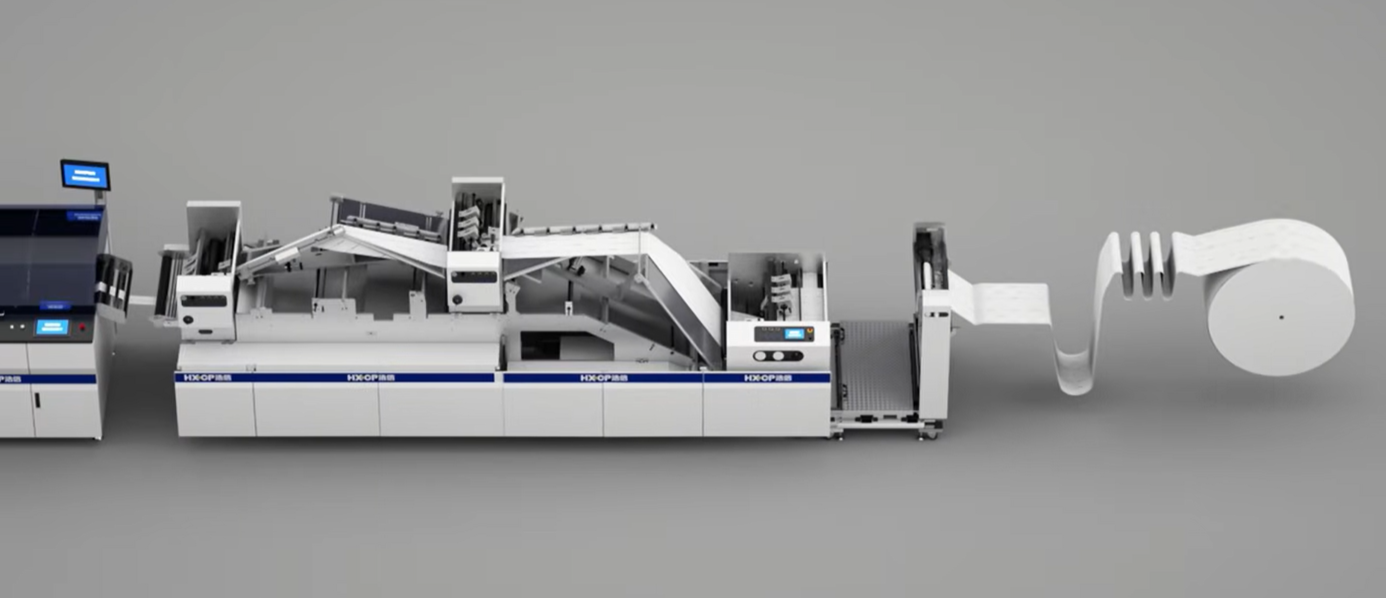
A 'Roll-to-Book Block Digital Finishing Line' is an advanced, high-efficiency solution used in modern print production to convert digitally printed rolls into finished book blocks ready for binding. It is widely adopted in digital printing environments that require flexibility, high productivity, variable page counts, and automated workflows for book block production. What It Is and Why It Matters With the rise of digital roll printers, traditional sheet-fed finishing equipment has limitations: manual handling, slower changeovers, higher labor cost, and insufficient support for short runs or variable jobs. The roll-to-book block line addresses these challenges by seamlessly processing "continuous printed web (rolls)" into "book signatures and blocks" fully or semi-automatically. It bridges digital print and binding, enabling faster “roll-to-finish” production. In this workflow, the printed roll enters the finishing line without being cut into separate sheets first. Instead, the system manages cutting, folding, stacking, and block formation in a smooth production chain.
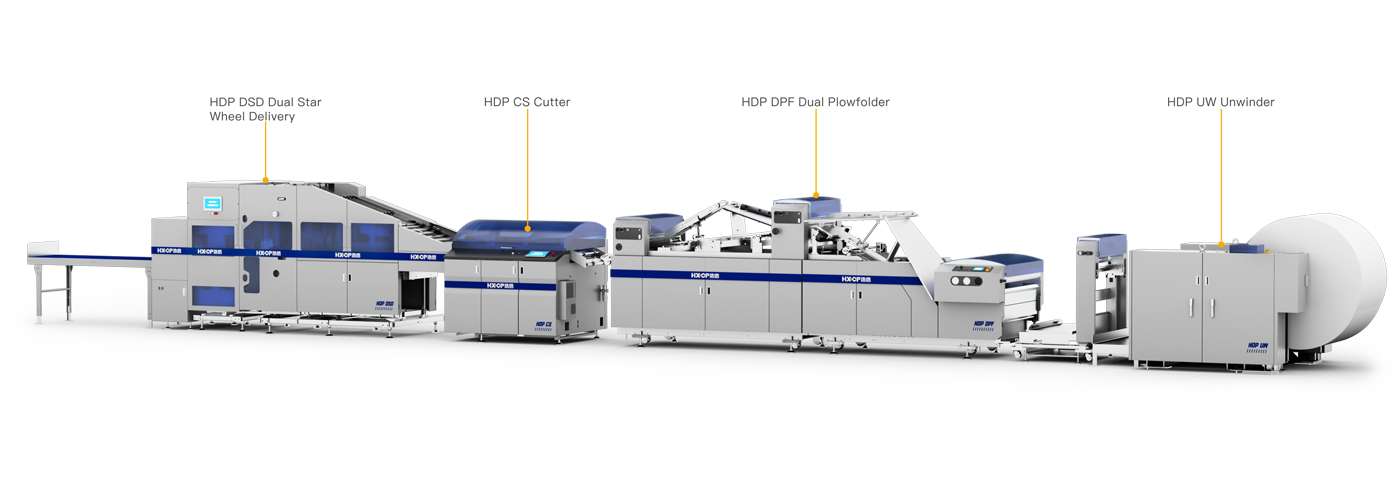
Key Components A typical Roll-to-Book Block Digital Finishing Line consists of several essential modules working in tandem: 1. Roll Unwinder The first part of the line, the "unwinder", is responsible for holding and feeding the continuous printed roll into the system with stable tension control. It ensures a consistent, smooth supply of paper without web break or distortion, which is critical for downstream accuracy.
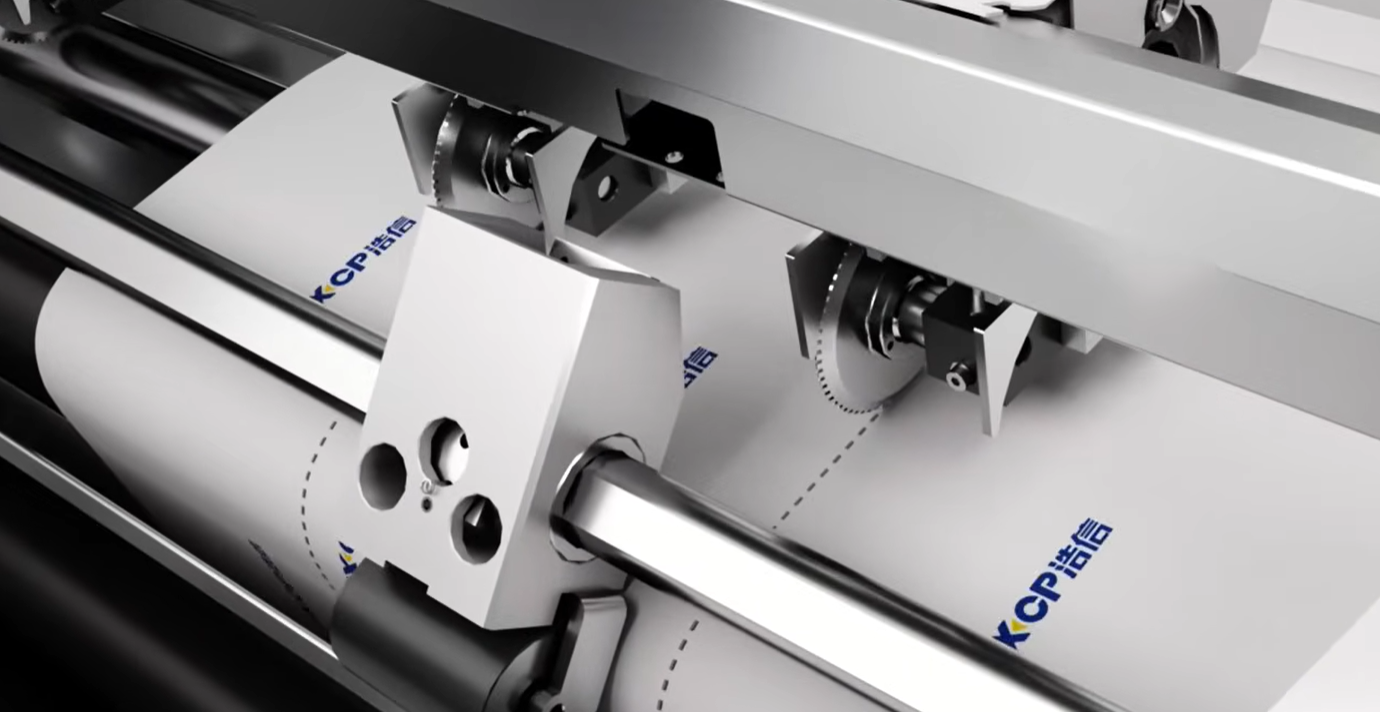
2. Dynamic Cutter (Cross-Cutter) The "HDP CS Cutter" or similar cutting units cross-cut the continuous web into precise sheet lengths based on the required page count and signature design. Dynamic cutting allows variable length 'signatures' (e.g., 4-, 6-, or 8-page sections) and minimizes waste.
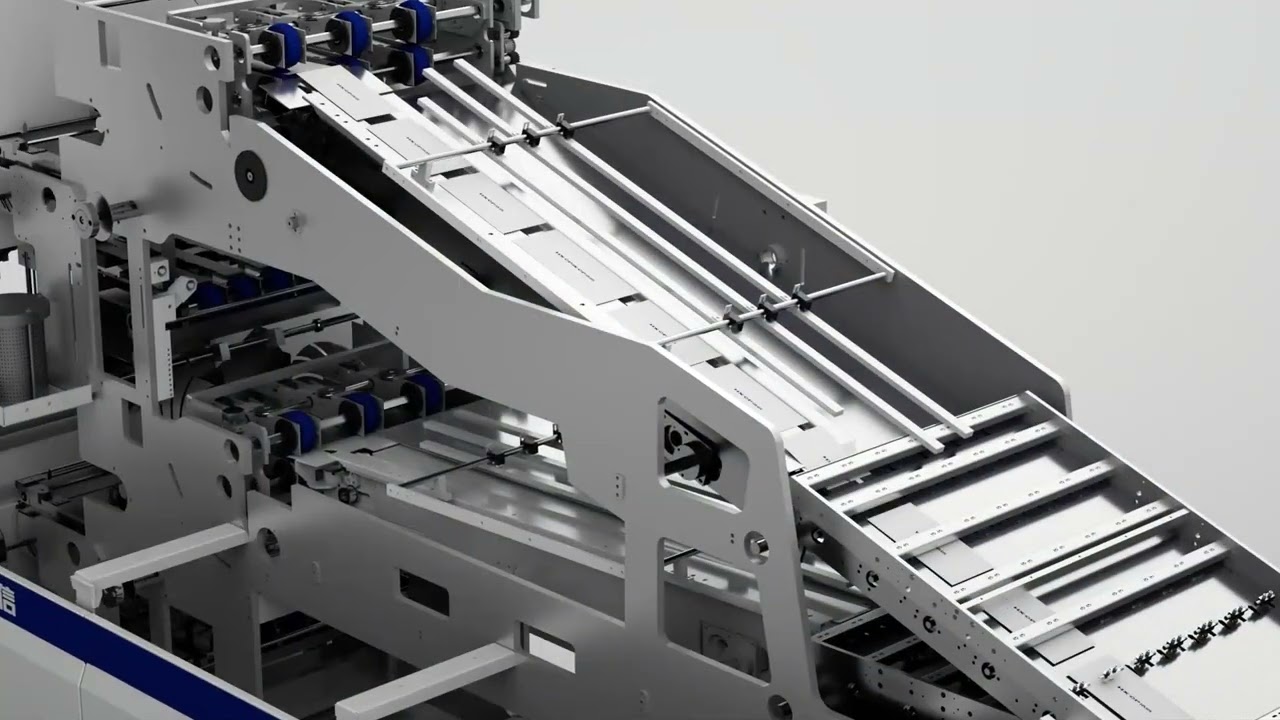
3. Folding Unit (e.g., Dual Plowfolder) The folded sections, called "signatures", are created using plow folding or buckle folding technologies. A "dual plowfolder" allows flexible folding patterns and fast changeovers, accommodating different signature types and sizes within the same run.
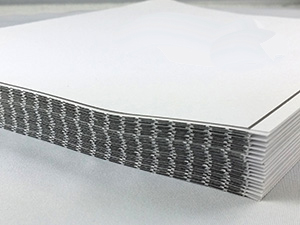
4. Delivery & Signature Stacking After cutting and folding, signatures are transported and 'side-glued' for stacking. Dual star-wheel delivery systems continuously accumulate signatures into complete book blocks while maintaining consistent stacking order and thickness control.
5. Output to Binding The finished book blocks can be transferred directly to a "digital perfect binder, thread-sewing machine, or other binding systems", depending on the final product requirement. This prepares the product for casing, gluing, trimming, and cover application.
How It Works The entire process can be summarized in several steps: 1. "Web Feeding" – A printed roll is loaded on the unwinder. 2. "Cutting" – The web is precisely cross-cut into sheet segments. 3. "Folding" – Sheets are folded into signatures of predetermined page counts. 4. "Stacking & Block Forming" – Signatures are gathered, aligned, and fused into book blocks. 5. "Delivery" – Finished blocks are moved to binding or stacking units for further post-press steps. This workflow can be configured in "offline mode" (independent from the printer) or "inline mode" (directly connected to a digital web printer), providing flexibility for different production environments.
Applications and Use Cases A Roll-to-Book Block Digital Finishing Line is suitable for a wide range of printing and binding environments: 1. "Digital Publishing" – Quick production of books, manuals, and short runs without traditional plate and sheet workflows. 2. "On-Demand Printing" – Efficient 'print-on-demand' (POD) production where each book can be unique. 3. "Variable Data Jobs" – Flexible handling of jobs with variable page counts or custom formats. 4. "Commercial Printing" – High-volume production with minimal changeover time. 5. "Education and Training Materials" – Batch production of books with different specs using one roll through automated setup.
Functions and Capabilities The roll-to-book line integrates precision mechanics and digital control to enable: 1. "Fully automated cutting and folding" based on pre-programmed job data. 2. "Variable signature lengths" and page counts within a single production run. 3. "Continuous stacking of book blocks" for high-speed output. 4. "Seamless integration" with printers or binding systems. 5. "High flexibility" for formats, sizes, and custom requirements.
Benefits for Users This finishing technology brings tangible advantages for print and binding operations: Productivity and Speed Automation of cut, fold, stack processes reduces manual handling and leads to higher throughput — often hundreds of book blocks per hour. Flexibility The ability to handle variable formats and 'book-of-one' production makes this line ideal for modern digital workflows where smaller, customized runs are common. Reduced Labor Costs Minimizing manual intervention significantly lowers labor requirements and potential errors, improving efficiency and consistency. Integration An inline connection with printers can streamline the entire production from print to block formation without intermediate handling or delays. Quality and Accuracy High-precision cutting, folding, and stacking ensure consistent book block quality, which directly impacts the binding process and finished product aesthetics. The Roll-to-Book Block Digital Finishing Line represents a step change in digital post-press technology. By converting continuous printed rolls into fully stacked book blocks with minimal manual steps and high automation, it empowers print operations with improved productivity, flexibility, and throughput. Whether used for high-volume commercial work or individualized small runs, this digital solution supports modern print-to-finish demands with precision and efficiency. |
| Tag:roll to book block,digital finishing,digital book binding,digital post-press |
Please Leave Your Messenger Here!
We will do our best to make your business prosperous!


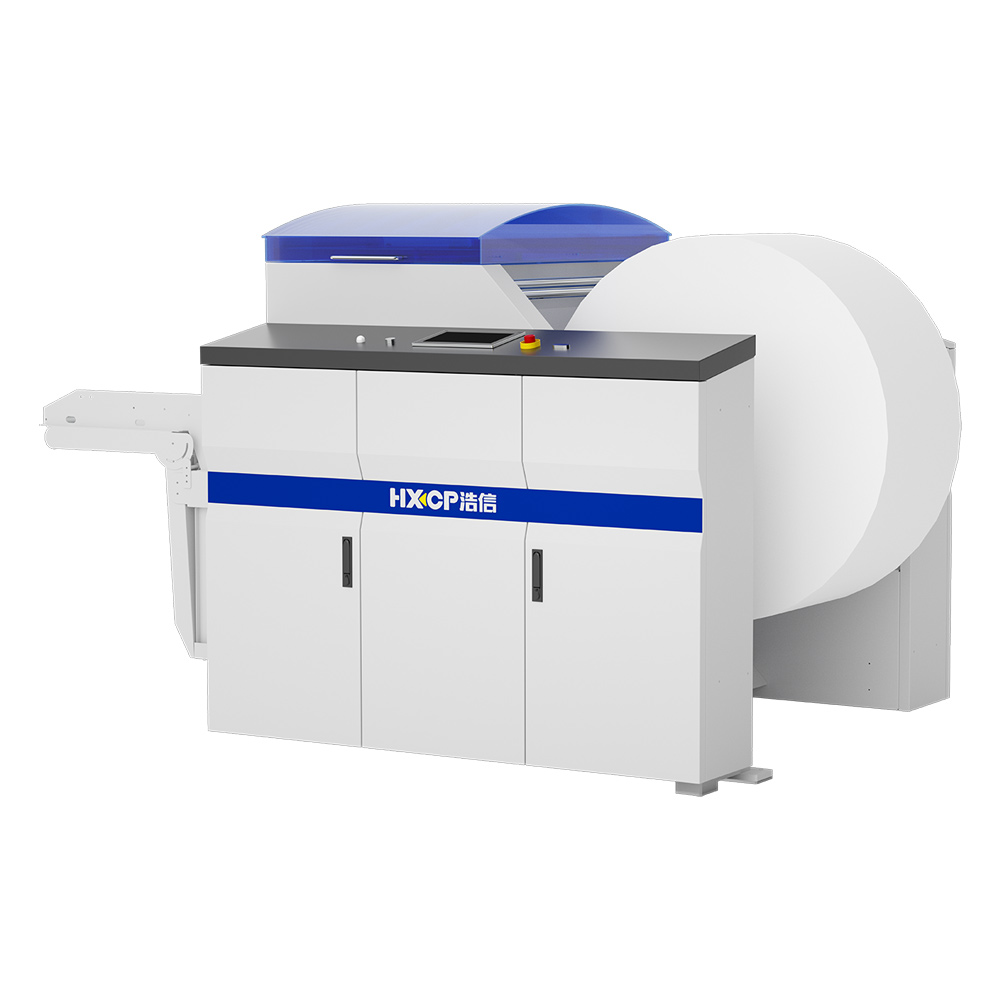 HDP UW Unwinder
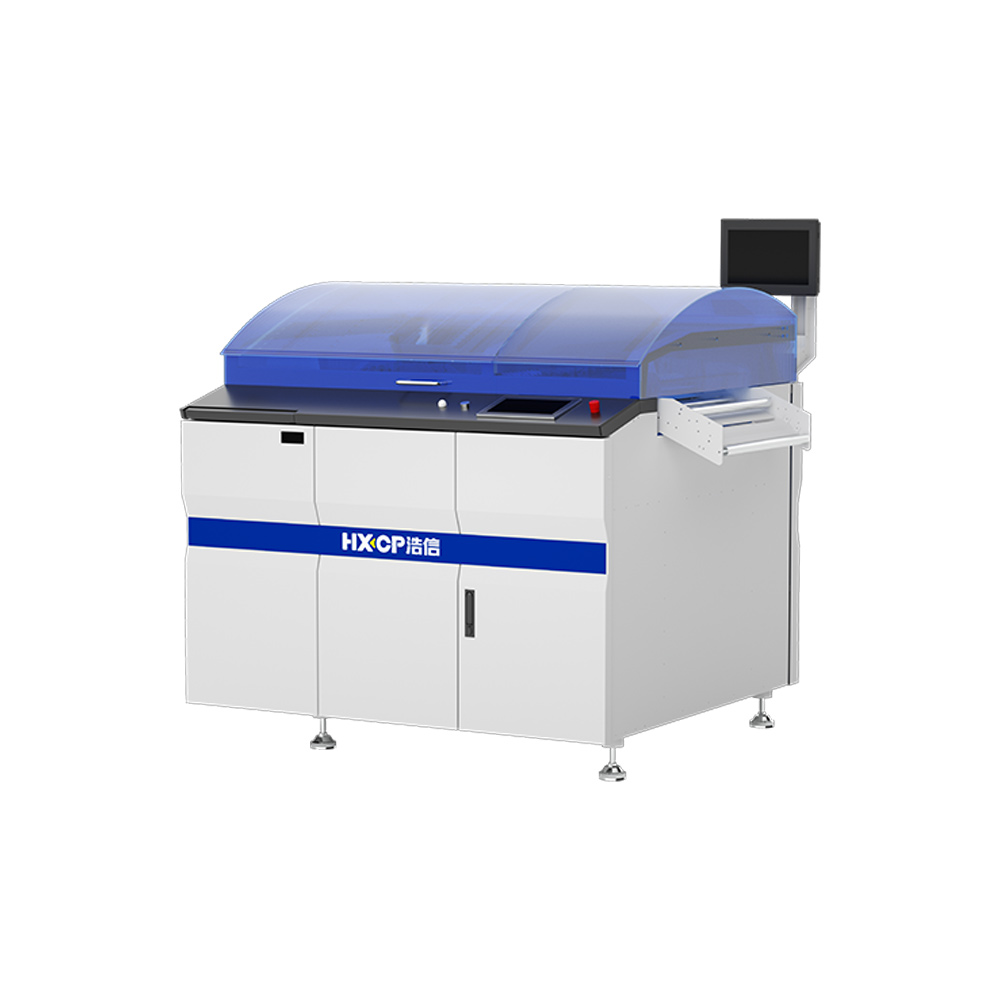 HDP CS Cutter
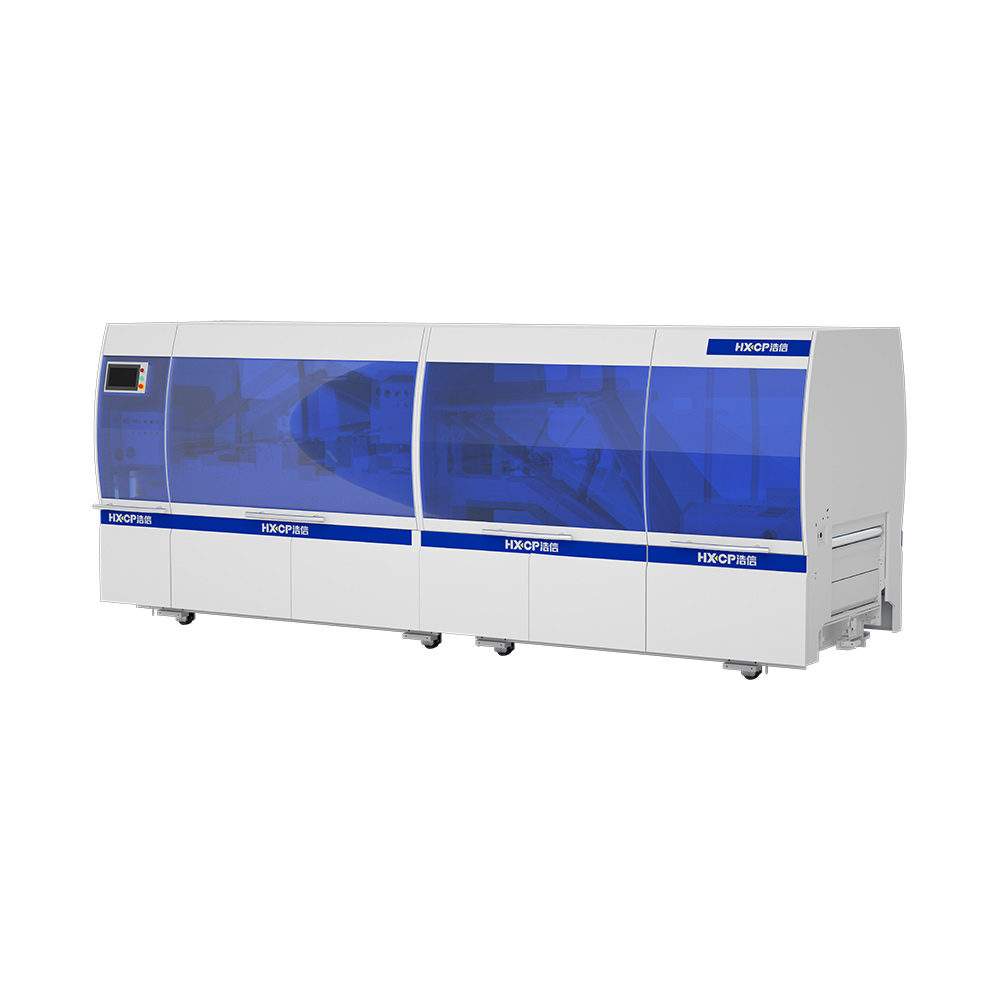 HDP DPF Dual Plowfolder
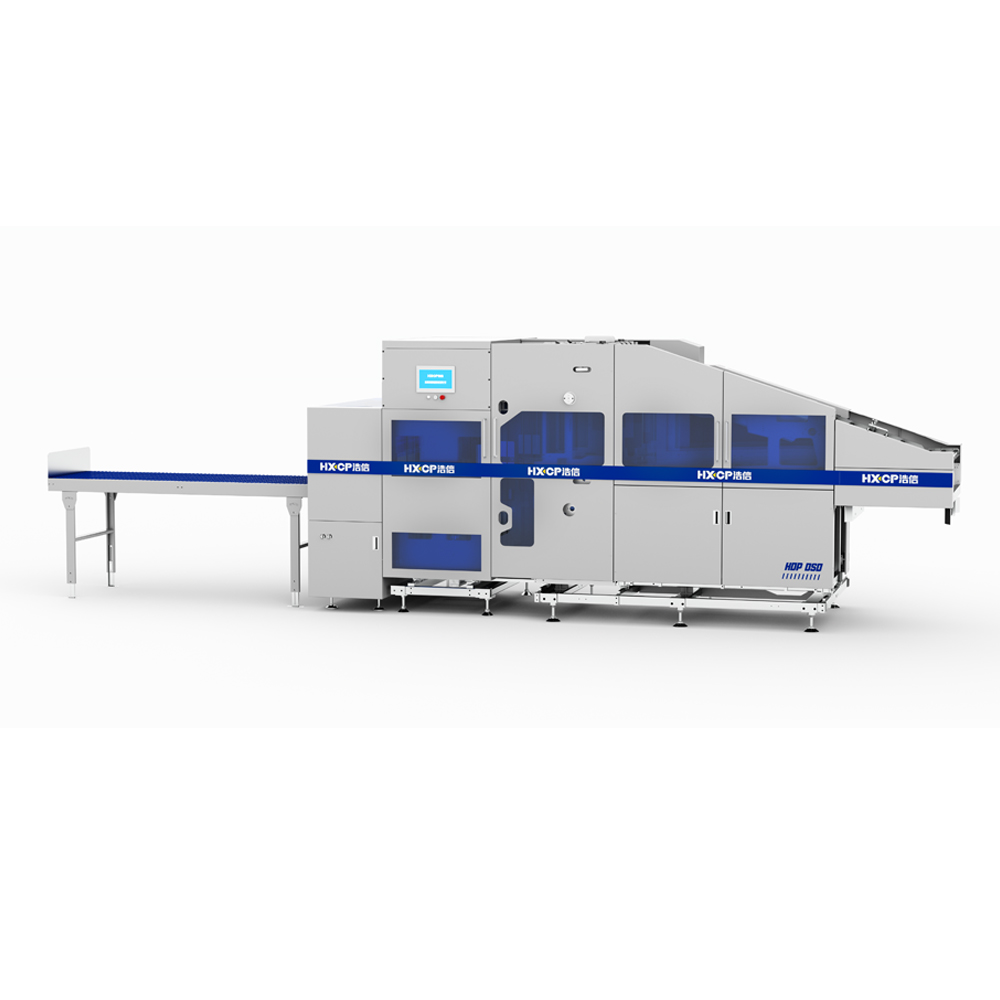 HDP DSD Dual Star Wheel Delivery
 HDP120 Digital Book Block Separating Feeder
 HDP TKT Digital Three Knife Trimmer
 HDP DHB Digital Book Block Head and Tail Band Fixing Machine
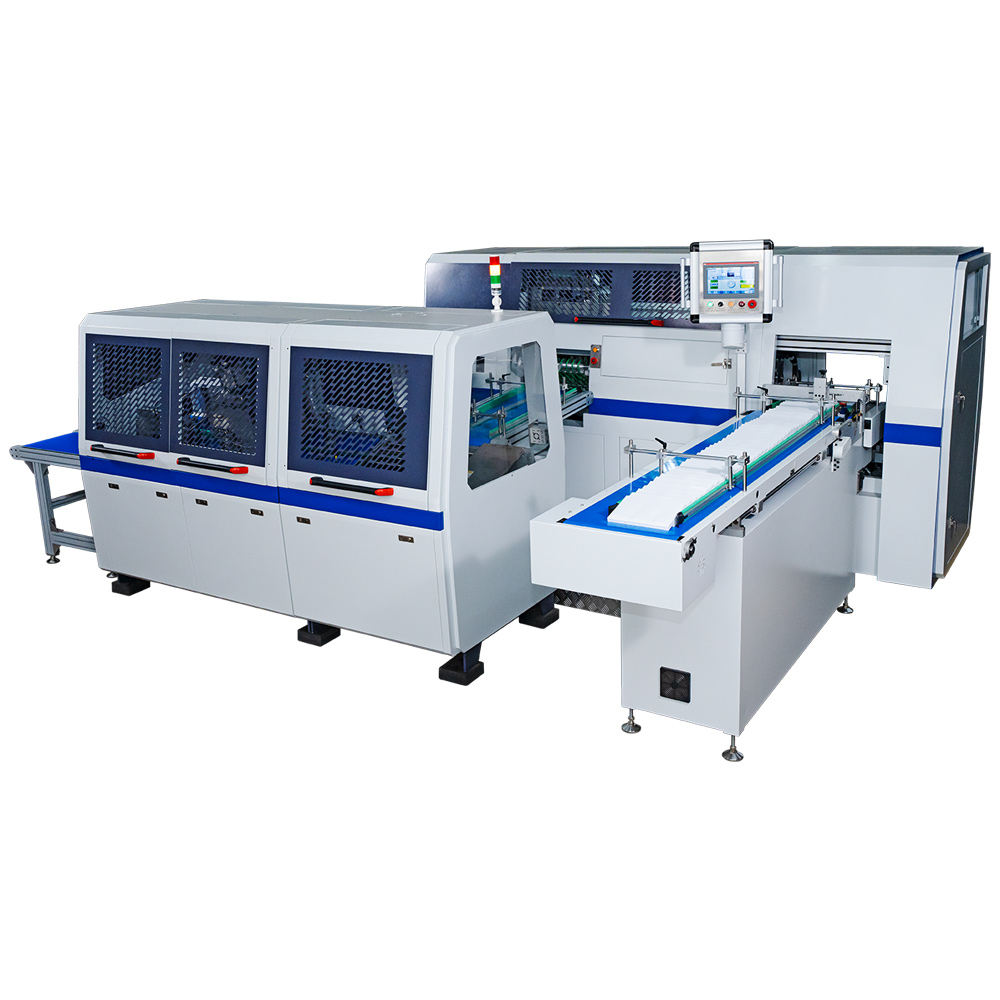 HDP CIM Digital Cover Casing In Machine