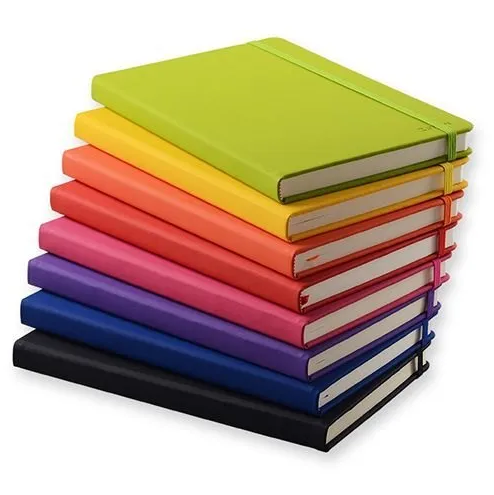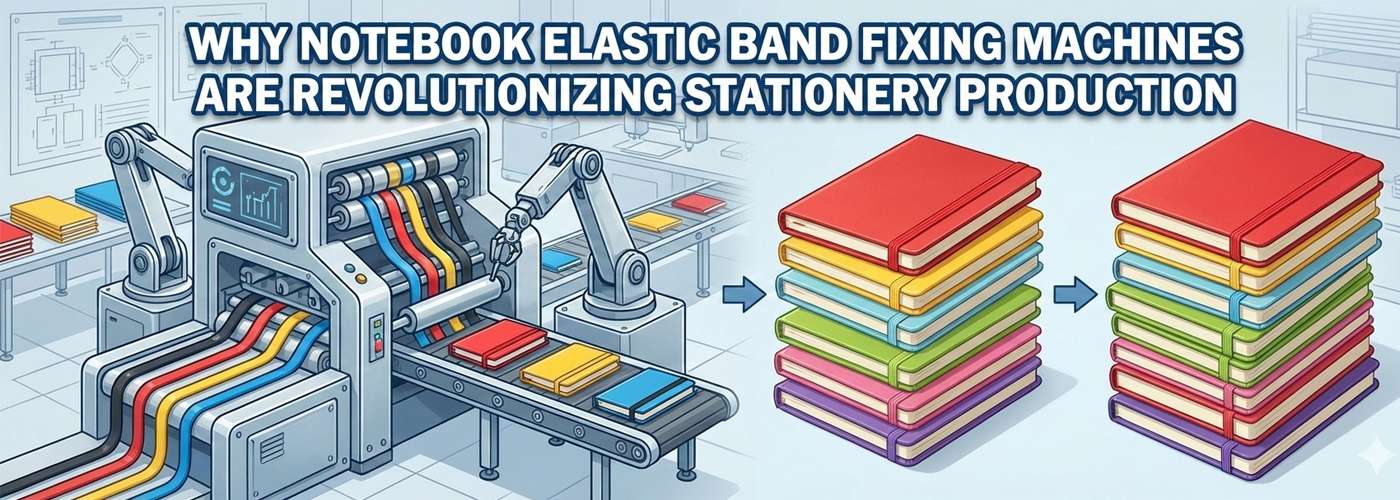
In an era where notebook product differentiation and manufacturing excellence are critical, notebook elastic band fixing machines offer a robust solution to elevate both production capability and product quality.
|
In a marketplace where notebook design and durability influence buyer decisions, the elastic band closure has become a defining feature of modern notebook products. From planners and journals to corporate gifts and custom stationery, an elastic band not only secures the notebook but enhances user experience and brand perception. For manufacturers, this means investing in technologies that deliver consistent quality at scale — and that is precisely what notebook elastic band fixing machines enable. Understanding Notebook Elastic Band Fixing Machines A notebook elastic band fixing machine is a specialized binding solution that automates the attachment of elastic closures to notebook covers. Traditionally, elastic bands were attached manually — a process that involved punching holes, guiding the elastic band through the cover, applying adhesive, and securing it at precise locations. Manual methods are labor-intensive and prone to inconsistency, especially when production volumes increase. The array of notebook elastic band fixing machines from ChinaPrintech encompasses both semi-automatic and fully automatic solutions, catering to different production needs. Semi-Automatic Models: These machines assist operators by automating the core functions of punching, threading, and fixing, while requiring manual placement and take-off of covers. Fully Automatic Models: These systems automate the entire process loop, including feeding, cutting, gluing, and stacking, achieving high throughput with minimal operator intervention. Machine models such as the HX18B, HX18B Pro, HX36B, and potential HX36B Pro offer varied feature sets tailored to specific throughput levels, product flexibility, and automation degrees.
Core Application Scenarios for Notebook Manufactures Notebook elastic band fixing machines are primarily deployed in the final stages of notebook production — the post-press finishing area — where covers are prepared for assembly. Typical application scenarios include: Contract Bookbinding Workshops: Where diverse notebook styles are processed, elastic band fixing machines significantly reduce turnaround time and improve consistency. OEM/ODM Notebook Production Lines: High-volume brand suppliers that require flexible parameter settings and high production capacity. Specialty Notebook Manufacturers: Producers of planners, diaries, and premium stationery products that require precise and repeatable attachment of elastic bands. Elastic band closures are now a hallmark of quality notebooks. Well-known brands often rely on elastic bands to enhance functionality, keep pages secure, and provide users with an intuitive closing mechanism.
Detailed Product Highlights HX18B Semi-Auto Notebook Elastic Band Fixing Machine The standard semi-automatic solution is well suited for small and medium notebook producers. It accommodates a range of cover sizes and ensures that only one operator is required for the process, driving efficiency while maintaining production control.
HX18B Pro Semi-Auto Notebook Elastic Band Fixing Machine Building on the base model, the Pro version introduces optimized transmission and control systems, enabling faster processing speeds and broader size flexibility. This makes spectral adjustments easier when product lines shift or custom jobs are introduced.
HX36B Automatic Notebook Elastic Band Fixing Machine For high-volume environments, the fully automatic HX36B machine is engineered to deliver continuous, reliable performance. Servo motor controls, job recall functionality, and a comprehensive process flow drastically reduce time and human error — positioning this model as an ideal choice for large-scale manufacturing.
HX36B PRO Automatic Notebook Elastic Band Fixing Machine An advanced automatic version further refines speed ranges, precision controls, and adaptable processing parameters — useful for high mix-low volume runs without sacrificing throughput.
Key Selection Criteria for Your Production Needs Selecting the appropriate machine requires a structured evaluation of your operational requirements: 1. Daily Output and Speed Targets Production speed is a primary differentiator between semi-auto and fully automatic models. Fully automated machines like the HX36B are capable of processing thousands of units per shift, while semi-automatic models are optimized for smaller batch runs with moderate output needs. 2. Flexibility and Format Range Different notebook products have varied dimensions, elastic band lengths, and cover thicknesses. Machines with wider adjustment ranges (such as Pro variants) allow manufacturers to diversify their product portfolios without multiple pieces of equipment. 3. Workforce and Labor Strategy Fully automated systems minimize operator involvement, freeing skilled labor for oversight and quality assurance work. Semi-automatic models still require manual interaction but can be advantageous where staffing levels or budget constraints are factors. 4. Floor Space and Integration Consideration of factory floor layout and integration with existing binding lines is critical. Automatic solutions require space for loading and unloading stations, while semi-auto units are more compact and easier to incorporate into mixed use post-press environments. 5. Cost vs. Value Trade-off While fully automatic machines involve larger capital investment, the long-term operational savings and increased throughput often justify the expense. Semi-automatic machines are attractive for businesses transitioning from manual processes and seeking immediate productivity gains.
The Business Advantage of Automation The adoption of notebook elastic band fixing machines yields multiple strategic benefits: Higher Quality and Reduced Defects: Automation ensures precision in punching, band placement, and adhesion, reducing rework and returns. Improved Production Efficiency: Cycle times are drastically shortened, enabling companies to respond rapidly to orders and seasonal peaks. Lower Operational Costs: Labor requirements are reduced, and machines operate reliably over extended shifts with minimal supervision. Enhanced Market Positioning: Products with professional finishing details — such as elastic bands — elevate brand perception and customer satisfaction.
Elastic bands not only provide functional utility but also serve as an aesthetic enhancement that signifies product quality and thoughtful design — attributes that appeal to modern consumers and end-users alike. In an era where notebook product differentiation and manufacturing excellence are critical, notebook elastic band fixing machines offer a robust solution to elevate both production capability and product quality. By understanding your production scale, product requirements, and strategic goals, you can choose the right machine — whether it is a semi-automatic platform for flexible runs or a fully automated system for high-volume operations. With the right equipment, notebook manufacturers can achieve operational excellence, improve quality consistency, and unlock greater market opportunities. |
| Tag:elastic band fixing machine,elastic band,notebook,diary,elastic string fixing machine |
Please Leave Your Messenger Here!
We will do our best to make your business prosperous!


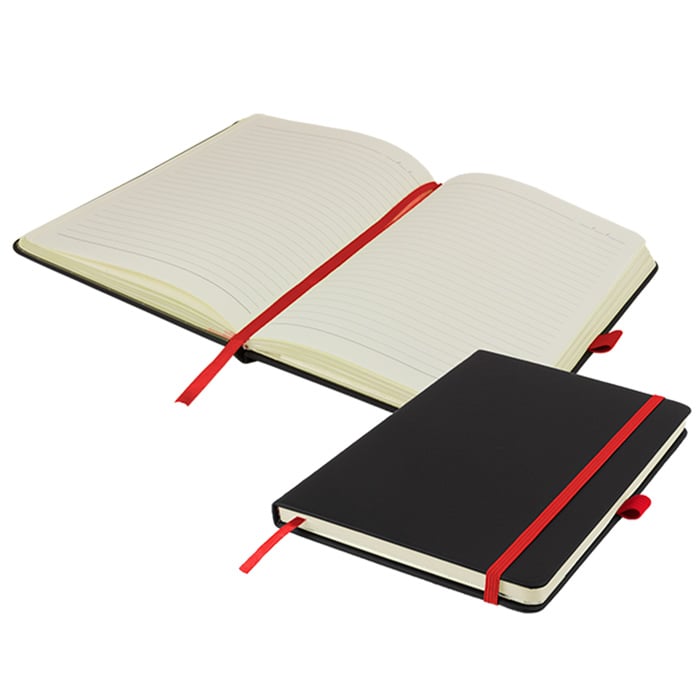
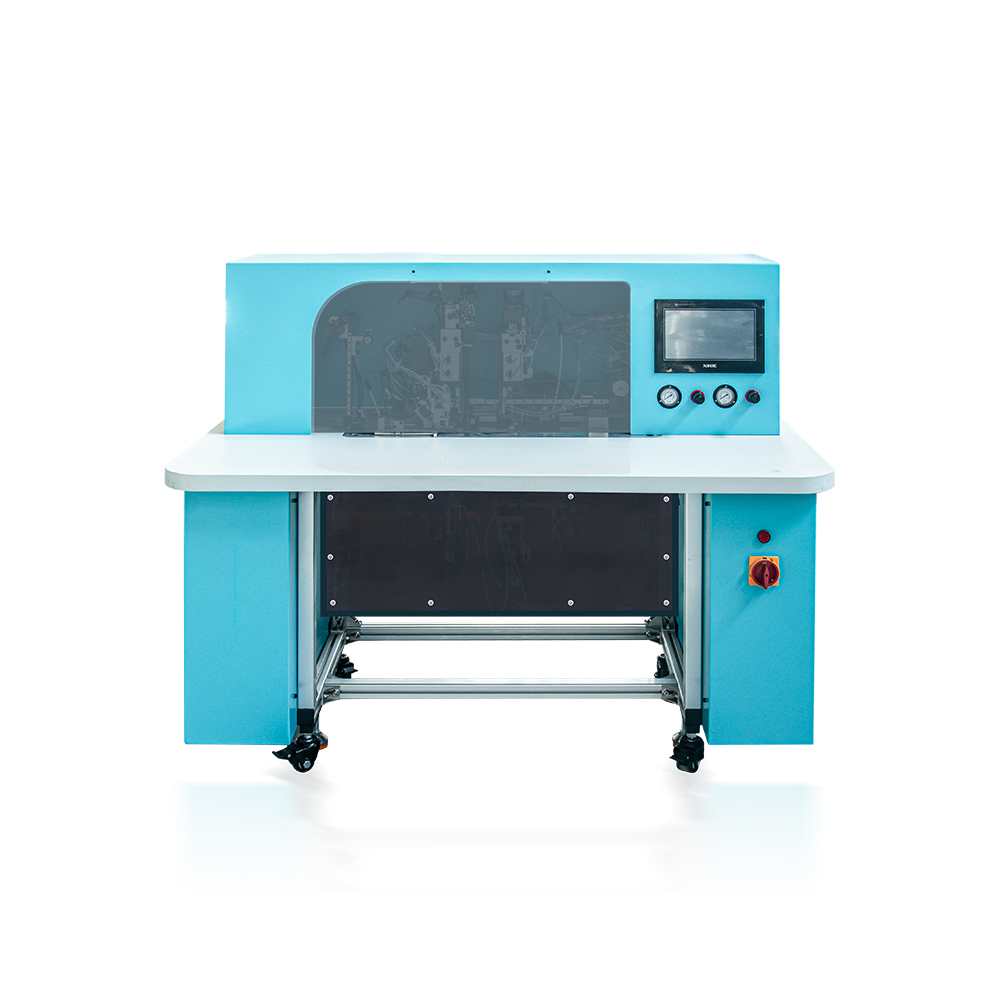 HX18B Semi Auto Notebook Elastic Band Fixing Machine
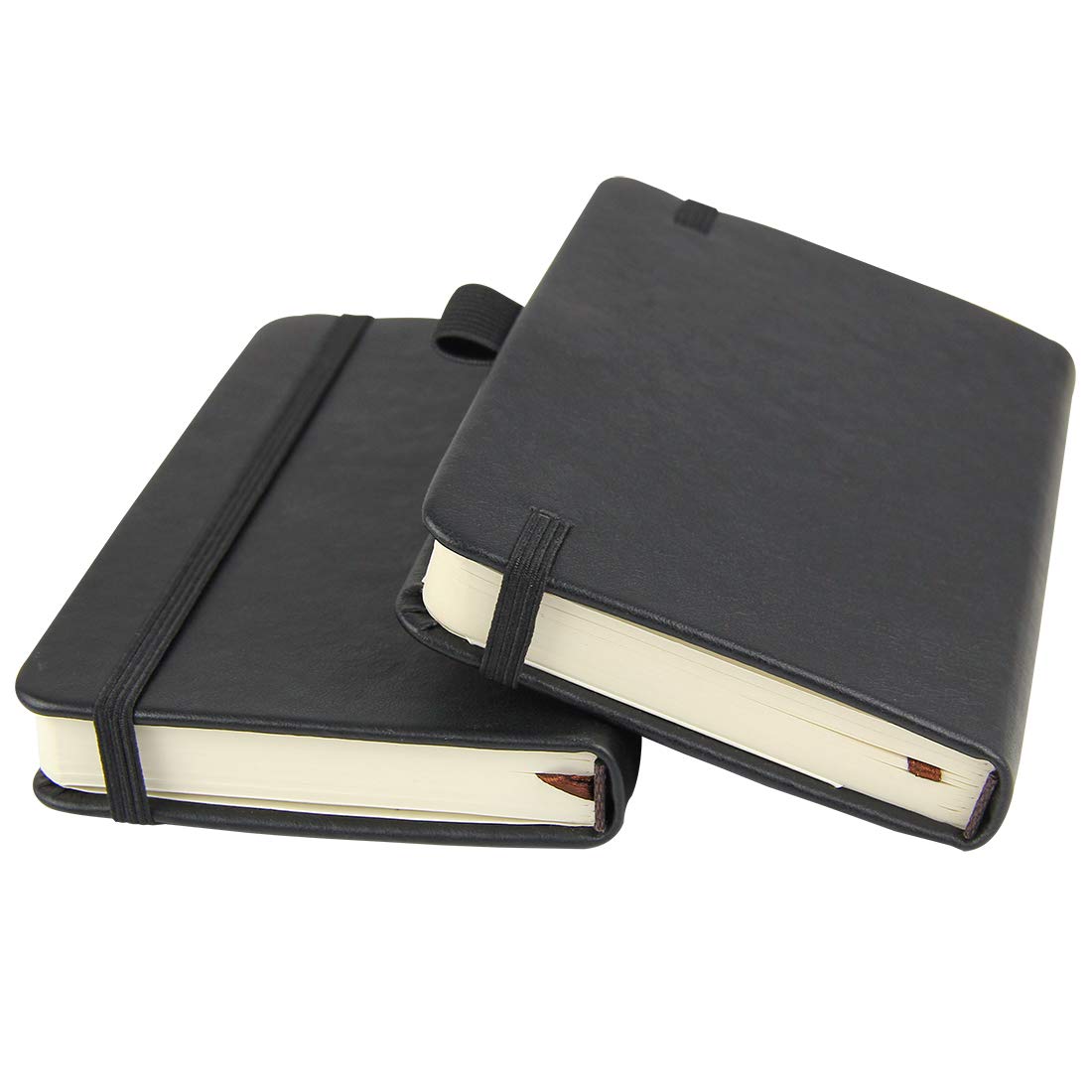
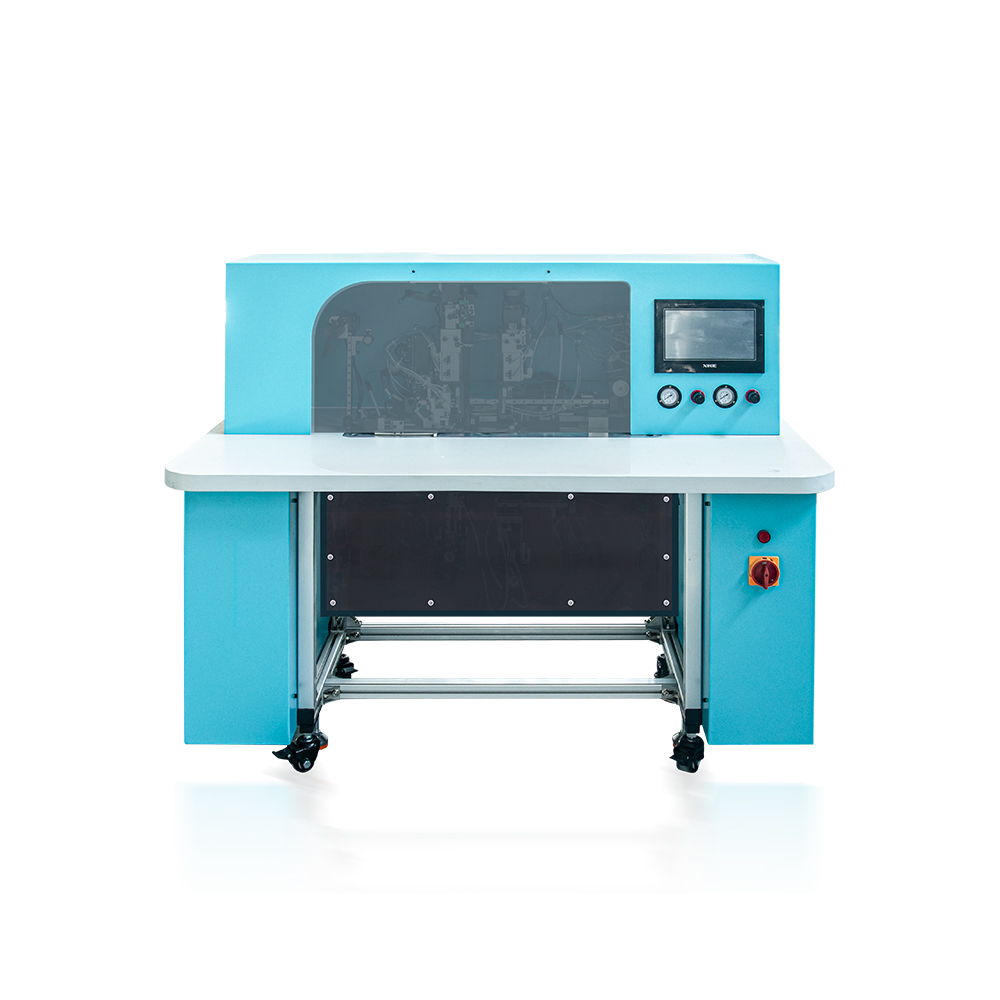 HX18B Pro Semi Auto Notebook Elastic Band Fixing Machine
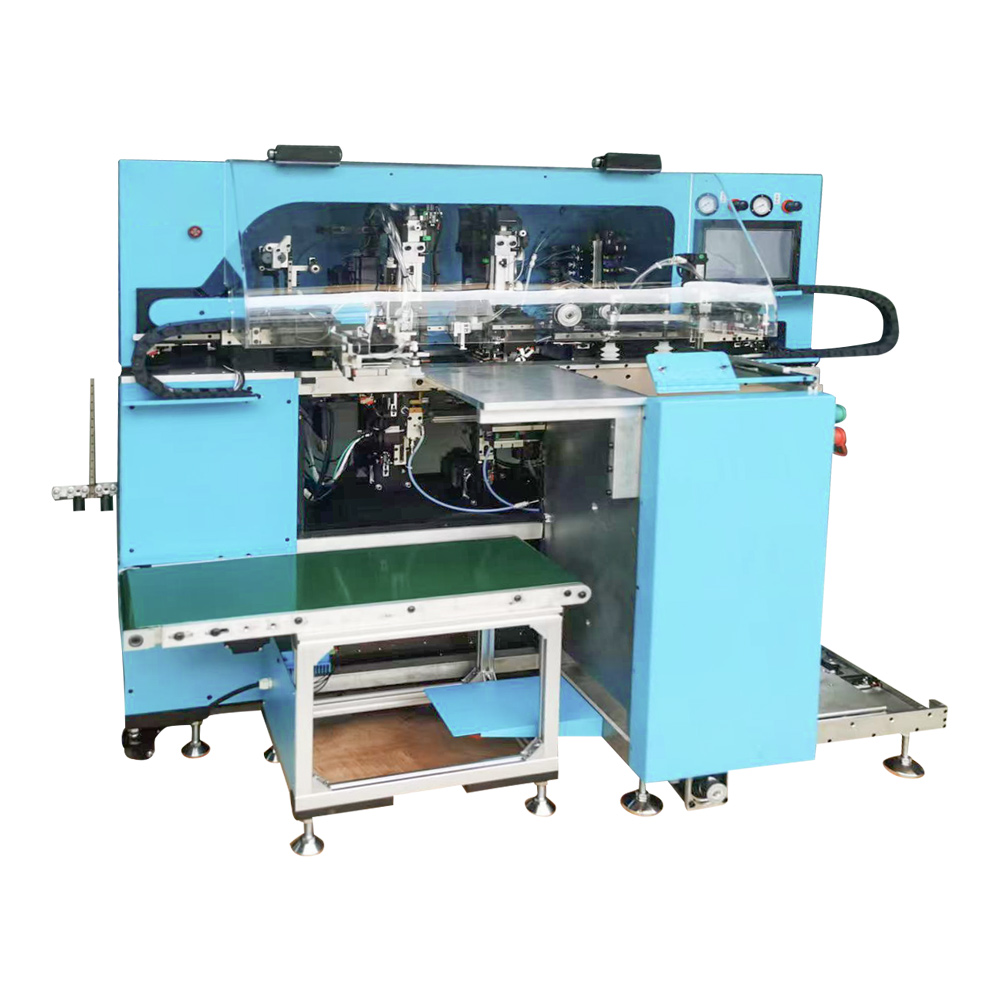 HX36B Automatic Notebook Elastic Band Fixing Machine
 HX36B PRO Automatic Notebook Elastic Band Fixing Machine