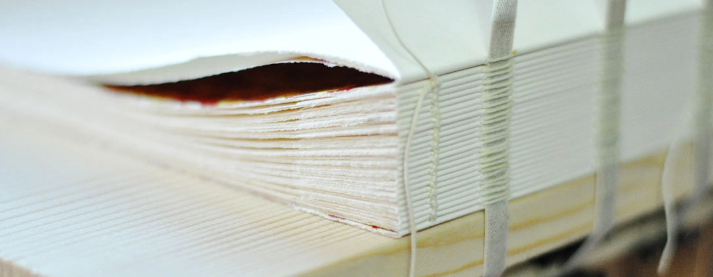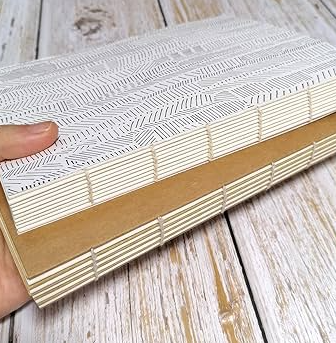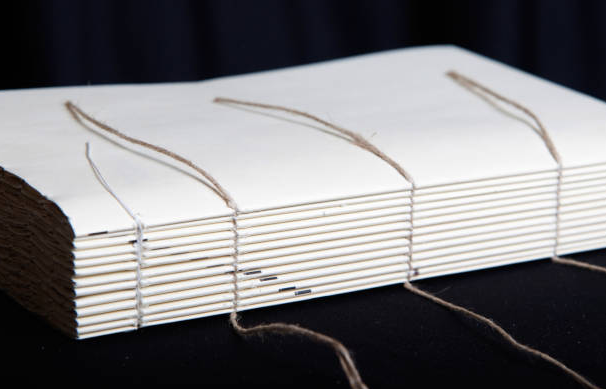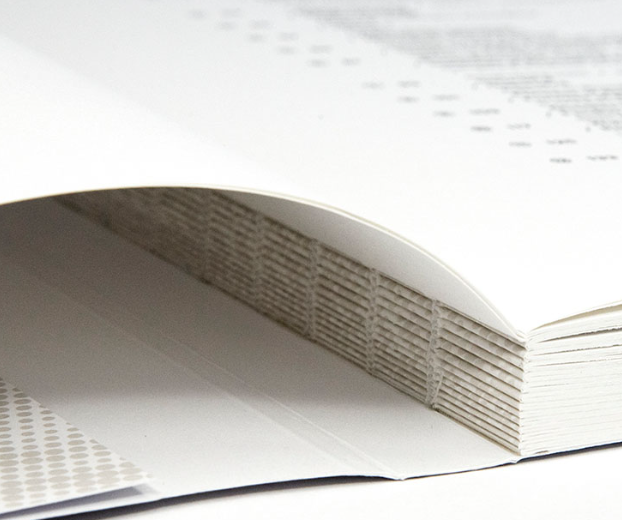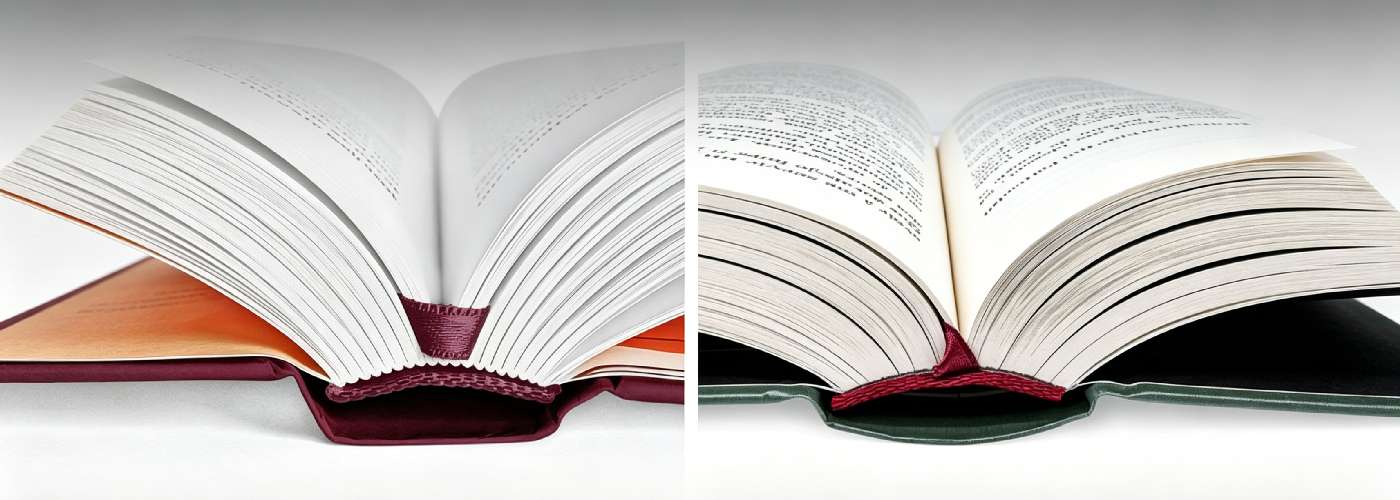
The HXSS460 and HXSS720 use short-stroke sewing to protect hinges and threads. See why this technology outperforms long-stroke machines for premium books.
|
For decades, many binderies used long‑stroke sewing machines because they were inexpensive and familiar. However, as the market shifted toward premium hardcovers and oversized art books, the flaws of long‑stroke technology became impossible to ignore. The HXSS460 and HXSS720 were designed from the ground up with short‑stroke fine needle systems to solve these problems.
The Hinge Damage Problem. Long‑stroke needles travel deep into the spine, often penetrating the hinge area where the cover attaches. This creates a weak point that causes covers to detach after minimal use. The 11‑group (HXSS460) and 18‑group (HXSS720) short‑stroke systems stop short of the hinge, preserving the structural integrity of the book. Thread Stress and Breakage. Deep needle penetration stretches the sewing thread, especially on thick book blocks. This stretching leads to frequent thread breaks during sewing and loose stitches over time. Short‑stroke sewing reduces thread elongation, resulting in consistent tension and fewer interruptions.
Paper Integrity. Premium books use heavy, coated, or textured papers that resist penetration. Long‑stroke machines often tear these papers or create large, unsightly holes. The dense needle configurations of the HXSS460 and HXSS720 distribute the force across multiple points, creating clean, precise holes that maintain the paper's strength. Stitch Density for Durability. Both machines use an 18 mm pitch, placing more stitches per inch than standard long‑stroke machines. This creates a tighter, more secure bind that can withstand the heavy use luxury books receive. For art books and photo albums, this density is non‑negotiable.
Consistency Across Sizes. The HXSS460's 11 needles are perfectly spaced for books up to 460×460 mm. The HXSS720's 18 needles cover the much wider 720×520 mm format. This ensures that stitch density remains consistent regardless of book size, preventing weak spots on large spines. Operational Speed. Because short‑stroke needles travel a shorter distance, the machines can operate at up to 50 cycles per minute without sacrificing accuracy. Long‑stroke machines often struggle to maintain speed and precision simultaneously.
Reduced Maintenance. The sealed, pre‑adjusted needle bases on both machines protect the mechanism from dust and glue. This reduces jamming and wear, lowering your long‑term maintenance costs and downtime. Safety and Ergonomics. Infrared sensors on both machines protect operators from accidental contact. The synchronous output mechanisms and auto‑lifting collectors reduce manual handling, lowering the risk of repetitive strain injuries.
Decision Point. If you produce textbooks or phirectories, long‑stroke machines may suffice. If you produce premium hardcovers, art books, or photo albums, short‑stroke sewing is the professional standard. The HXSS460 and HXSS720 deliver this standard flawlessly across two essential format ranges. For binderies committed to quality, upgrading to short‑stroke technology is not an option—it is a necessity for protecting your clients' investments and your own reputation. |
| Tag:Sewing Machine,book sewing machine,thread sewing machine,Semi Auto Sewing Machine |
Please Leave Your Messenger Here!
We will do our best to make your business prosperous!


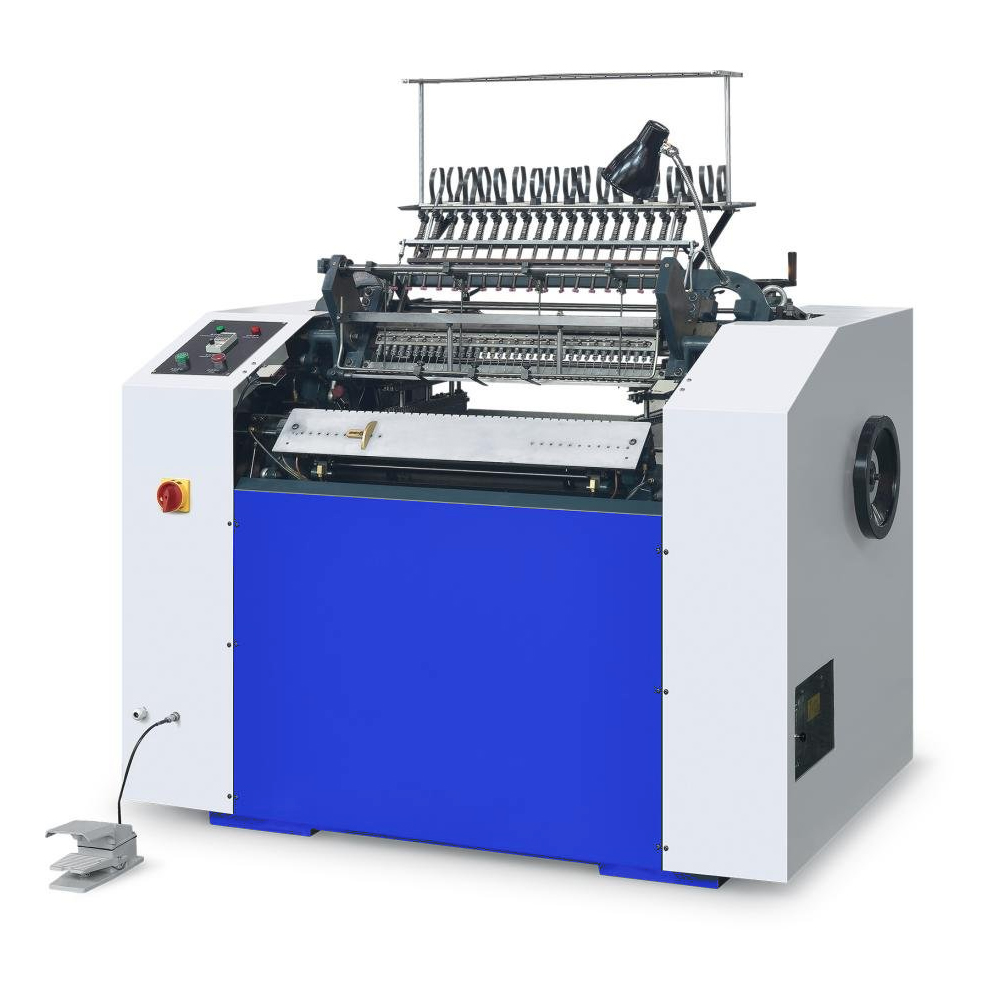 HXSS720 Wide Format Semi Auto Sewing Machine
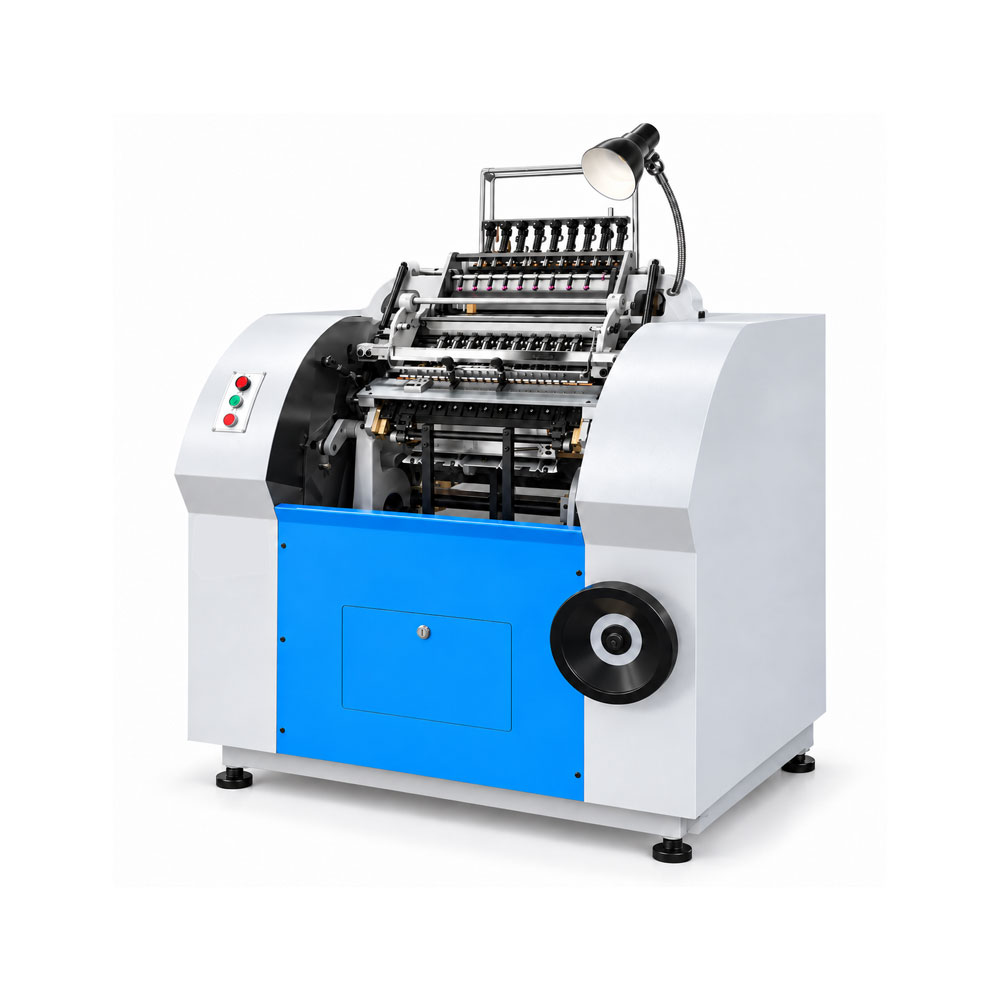 HXSS460 Semi Auto Sewing Machine