A mid‑size children's book printer upgraded to two automatic casing‑in machines—boosting output to 3,000 board books/hour and 4,000 picture books/hour while slashing labor costs and defects.
|
Before the upgrade, the printer relied on semi‑manual casing‑in stations. Each operator positioned covers, applied glue, and pressed books individually. Output averaged 350–400 books per shift, with frequent alignment errors requiring rework.
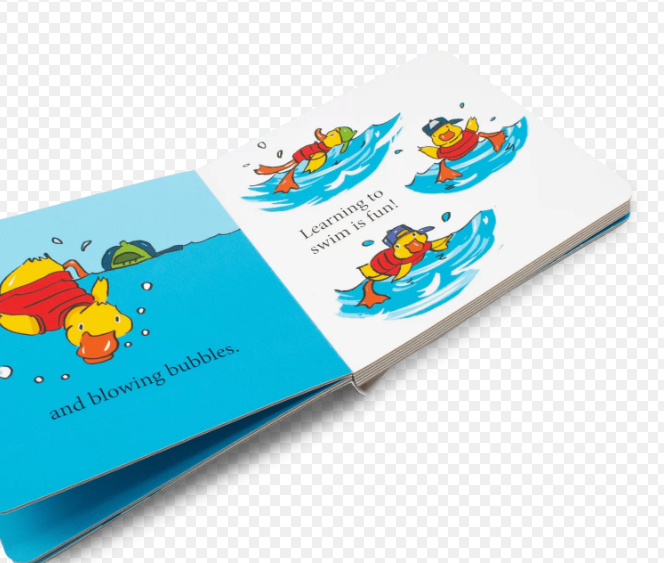
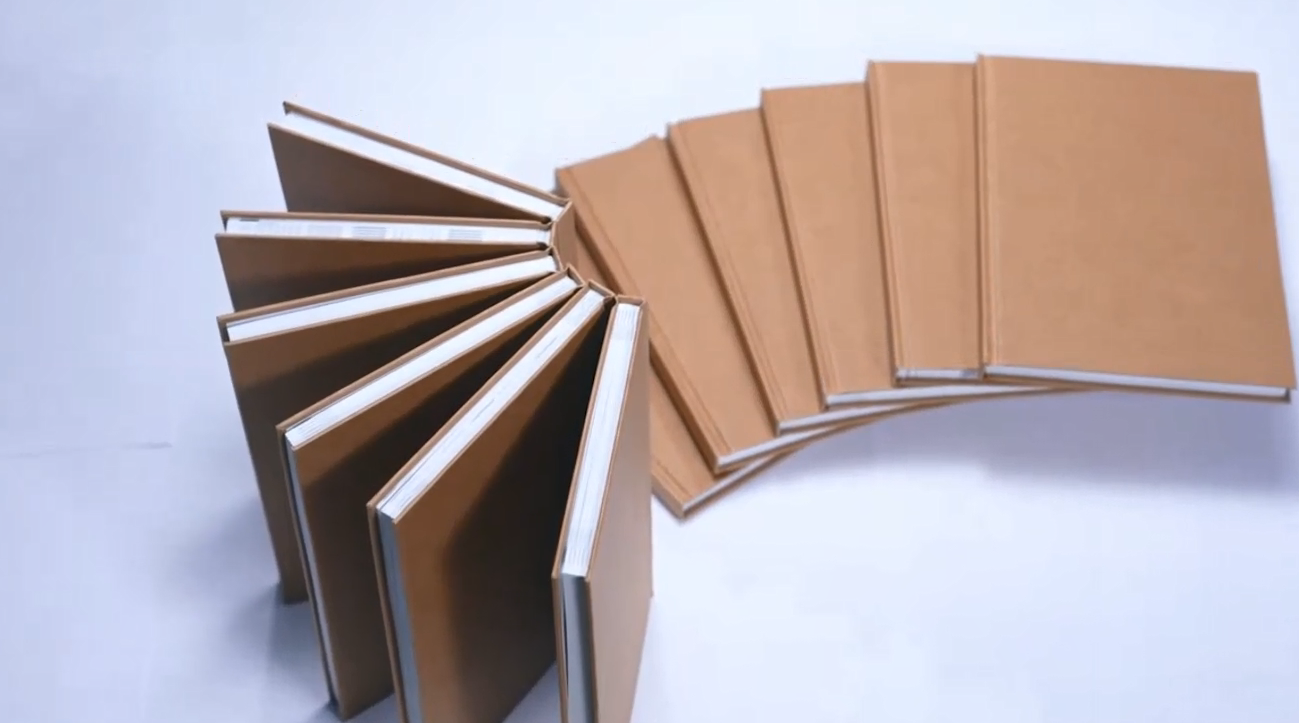
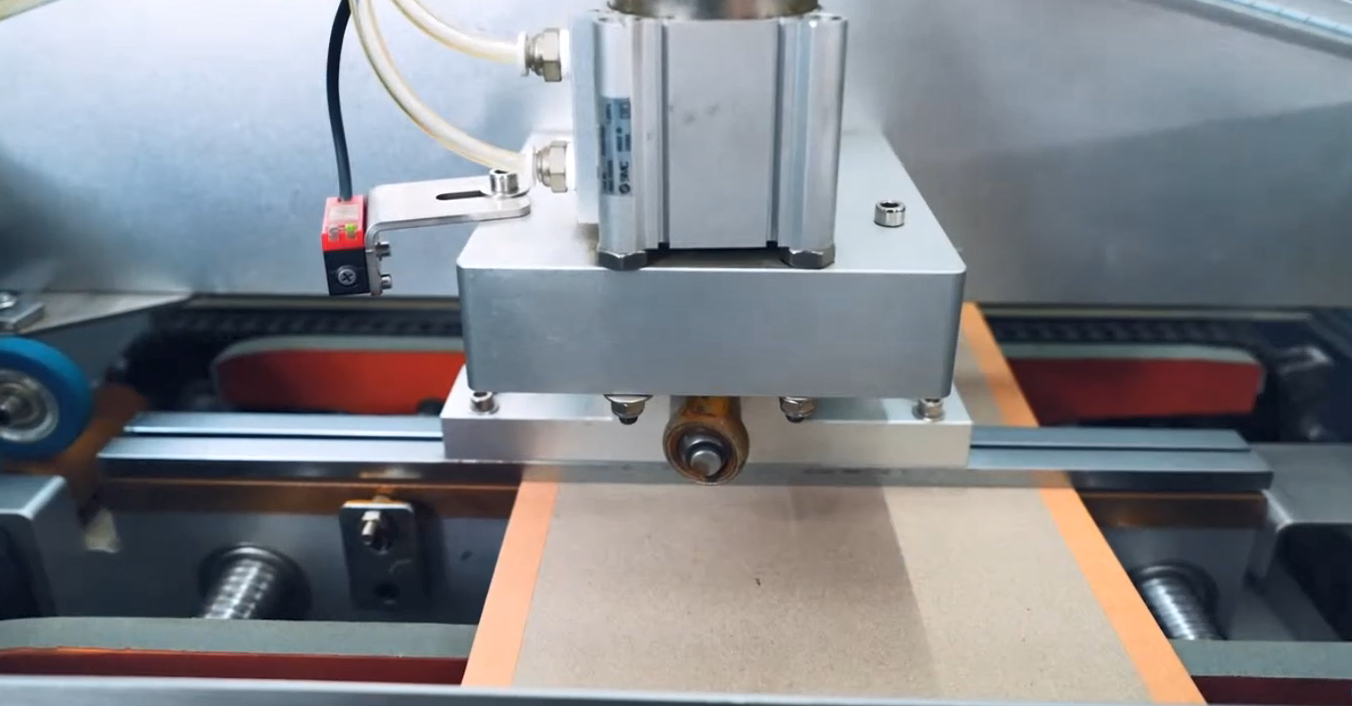
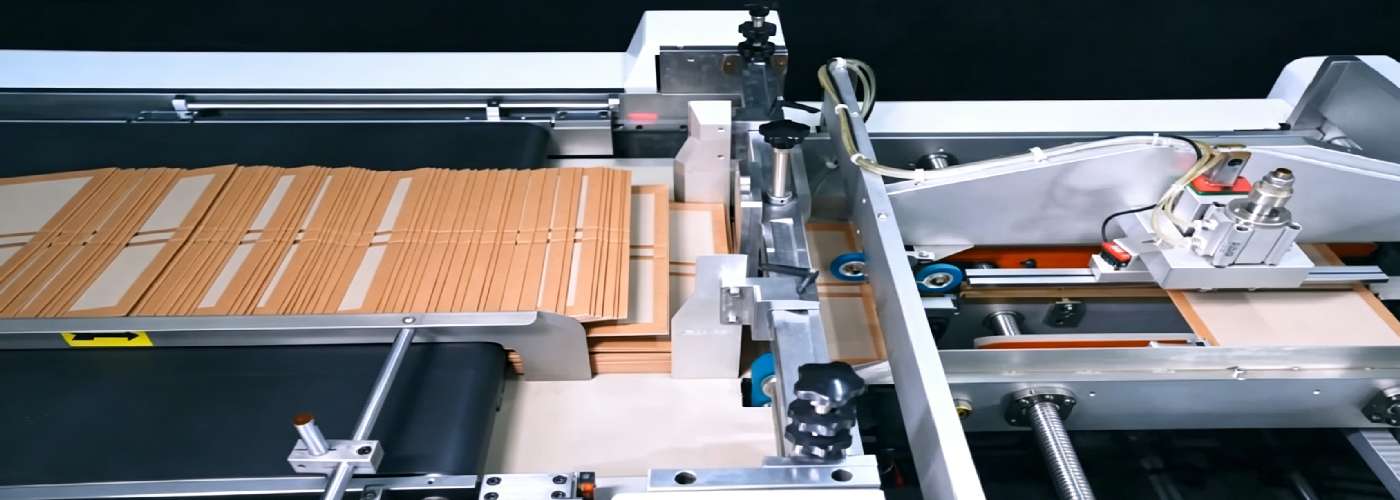
Management invested in a Board Book Cover Casing‑In Machine for thick‑page products and an HX5000 Children Picture Book Casing‑In Machine for thin‑paper hardcovers. The board book machine runs at up to 3,000 books/hour, while the HX5000 reaches 4,000 books/hour.
Within the first month, productivity gains were dramatic. Board book output tripled compared to manual methods. Picture book output more than doubled. Both machines ran with a single operator, replacing three workers per line and freeing staff for prepress, QC, and packing. Defect rates plummeted. Partial gluing eliminated messy adhesive overflow on board book covers. The HX5000's clip system prevented shifting during pressing, producing crisp, clean joints every time. Customer complaints about misaligned covers disappeared.
Labor costs fell by roughly 60%. Overtime during peak seasons dropped by more than half, lowering payroll expenses and improving morale. The machines also enabled the printer to bring novelty formats—like shaped board books—in‑house, improving margins and shortening delivery times. Expanded Market Reach and Niche Capabilities The ability to reliably produce both thick board books and delicate picture books on dedicated, high-speed equipment opened up entirely new revenue streams. Before the upgrade, the printer often had to decline complex projects involving intricate die-cuts or unusually thin paper stocks due to the high risk of failure in manual production. With the HX5000's precise clip system and the Board Book machine's robust partial gluing, they could confidently bid on premium novelty books and art-focused picture books. This capability shifted their market position from a generalist printer to a specialist in high-quality children's literature, attracting larger contracts from established publishers who demanded both speed and perfection.
Enhanced Brand Reputation and Sustainability Beyond the immediate financial returns, the investment significantly boosted the printer's brand reputation. The consistency of the casing-in process meant that every book leaving the facility met a premium standard, fostering greater trust with clients and leading to more repeat business. Furthermore, the reduction in material waste from precise glue application and fewer rejected copies contributed to the company's sustainability goals. Clients increasingly seek eco-conscious partners, and being able to demonstrate lower waste and higher efficiency became a key selling point in securing long-term agreements with major publishing houses. Payback came in just over a year, driven by labor savings, reduced waste, and new contracts made possible by faster turnaround. For children's book printers, upgrading to high‑speed automatic casing‑in wasn't just a productivity boost—it was a competitive necessity. |
| Tag:board book,casing in machine,cardboard book,children picture book,cover casing in machine |
Please Leave Your Messenger Here!
We will do our best to make your business prosperous!


 Board Book Cover Casing In Machine
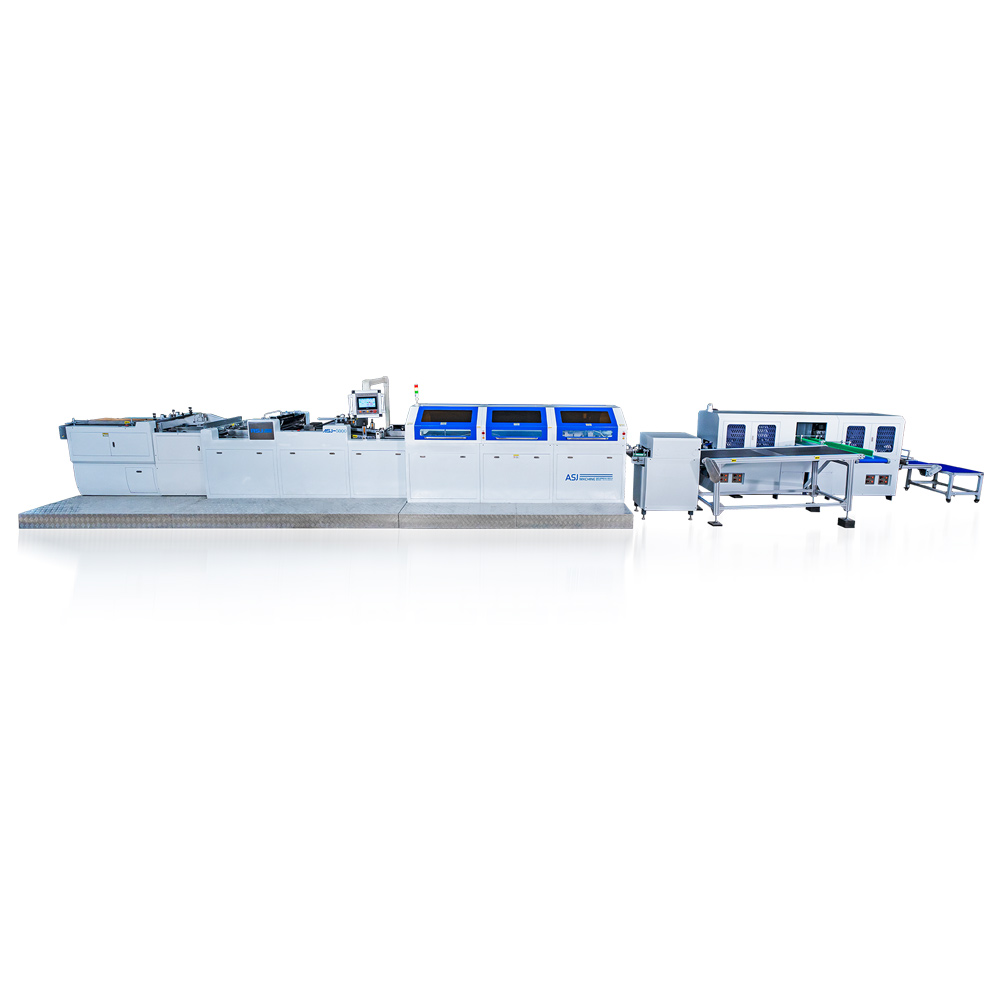 HX5000 Children Picture Book Casing In Machine