Choosing between an electrical and a manual corner cutter can directly impact your finishing speed, product quality, and profitability. Here's how the Electrical Corner Cutting Machine and the HX50MCC Manual Corner Cutter compare—so you can decide which one best suits your production needs.
|
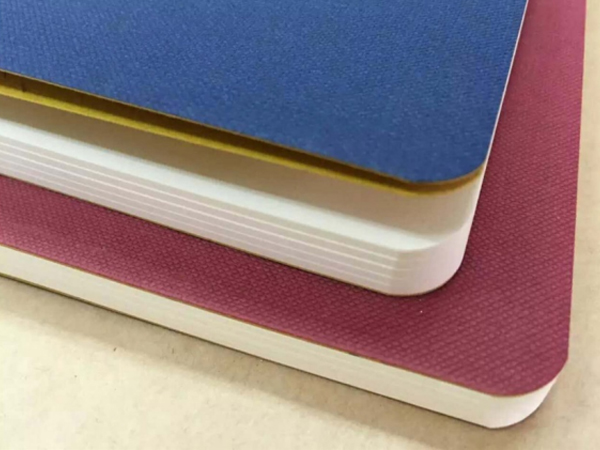
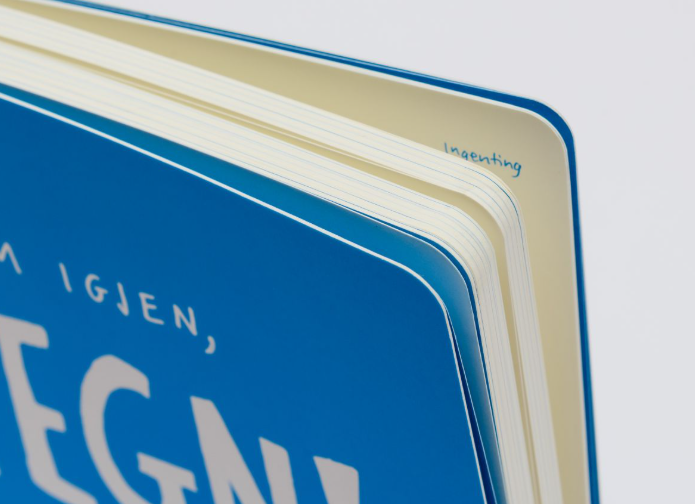
Why Corner Cutting Matters in Print Finishing In premium stationery, packaging, and bookbinding, corners are more than just details—they define safety, handling comfort, and visual appeal. Clean, uniform corners signal professionalism, while uneven or rough edges can damage your brand's reputation.
The Limitations of Manual Cutting Alone Manual corner cutting offers precision for small runs, but struggles with speed and operator fatigue. On bulk orders, inconsistent shapes and slower output can lead to missed deadlines and higher labor costs. Electrical Corner Cutting Machine: Power Meets Speed Driven by a reduction gearbox and powered electrically, the Electrical Corner Cutting Machine uses a mechanical clutch for smooth, repeatable cycles. With a cutting speed of 90 times per minute and a maximum cutting height of 120mm, it powers through thick stacks of paper or rigid board with ease. Corner types range from R2.5 to R12, covering straight, round, and special shapes.
HX50MCC Manual Corner Cutter: Precision in a Compact Footprint For shops focused on short runs or specialty projects, the HX50MCC offers exceptional accuracy and control. With a maximum cutting thickness of 50mm and die options from R3 to R10, it's perfect for detailed work on cover paper and lightweight board. Its compact size (600×800×1600mm) and lighter weight (100kg) make it easy to integrate into smaller workshops. Speed vs Control The Electrical model excels in high-volume environments, where throughput is critical. The Manual model shines in artisan or custom-order settings, where the operator's tactile control ensures exact results for intricate designs.
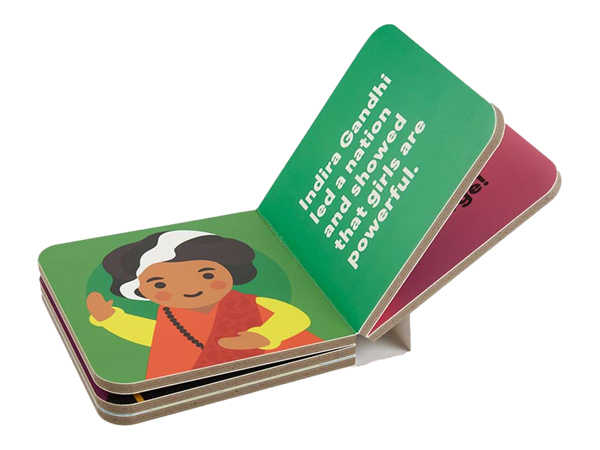
Paragraph 6 – Material Versatility Electrical: Handles thick boards and large stacks, ideal for rigid boxes, board books, and padded covers. Manual: Best suited for thinner materials and detailed corner shaping, often used in boutique stationery or small-batch packaging. Workflow Integration Electrical cutters fit inline or offline in high-speed finishing lines, minimizing labor input. Manual cutters are portable and simple to set up, making them excellent backup machines or dedicated tools for niche products.
Cost and ROI Considerations Electrical cutters require a higher initial investment but deliver rapid ROI through labor savings and higher output. Manual cutters cost less upfront, excel in flexibility, and serve businesses targeting craftsmanship over volume. Making the Right Choice Your choice depends on order profile, production volume, and target market. Large-scale finishers will benefit most from the Electrical Corner Cutting Machine's speed and automation. Boutique producers and specialty binders may find the HX50MCC Manual Cutter the perfect fit for precision and flexibility. Take the Next Step Whether you choose electrical speed or manual precision, upgrading your corner cutting capability will improve quality, shorten lead times, and open doors to higher-margin projects. Equip your bindery with the right machine—and turn perfect corners into a competitive advantage. |
| Tag:cutter,corner cutter,cutting machine |
Please Leave Your Messenger Here!
We will do our best to make your business prosperous!


 HX50MCC Manual Corner Cutter
 Electrical Corner Cutting Machine