Replace slow manual hole punching with the HXPD260 or HXPD280. Pneumatic cylinders and linear sliders deliver 50 mm stack drilling at 2800 r/min with repeatable precision.
|
Manual hole punching is a relic of low‑volume print shops. For modern binderies, it is a bottleneck that drains labor and invites inconsistency. The HXPD260 and HXPD280 multi‑head drilling machines replace this outdated process with pneumatic automation, transforming document preparation into a high‑speed, high‑accuracy operation.
The heart of this automation is the pneumatic cylinder drive system. Unlike electric drills that rely on gear reduction and clutch mechanisms, pneumatic cylinders deliver instantaneous, high‑force linear motion. Mounted on four wear‑resistant guide columns and linear sliders, the cylinders drive the drill heads through 50 mm stacks in a single, smooth stroke. This eliminates the multiple hits and partial penetrations common with manual or underpowered electric drills. Speed is a decisive advantage. Both machines operate at a spindle speed of 2800 r/min, ensuring clean, burr‑free holes even in dense, multi‑ply documents. This high rotational velocity, combined with the pneumatic down‑force, prevents paper "blowing out" or delaminating—a frequent issue when drilling coated or laminated stocks.
Multi‑head synchronization multiplies productivity. The HXPD260's three heads and the HXPD280's four heads activate simultaneously. For a standard 4‑hole legal document, this means one press of the foot pedal completes the entire pattern. Compared to manual punching, which requires repositioning the document for each hole, this represents a 300–400% increase in throughput. Precision is maintained by the linear slider guidance system. These sliders constrain the drill heads to a perfectly vertical path, preventing the angular drift that causes misaligned holes. For legal briefs or architectural drawings where hole alignment is critical for ring‑binder compatibility, this geometric accuracy is non‑negotiable. Flexibility in hole patterns is built in. On the HXPD260, the three heads can be independently adjusted across a 40–260 mm range. On the HXPD280, four heads span 40–280 mm. This allows you to accommodate everything from standard 2‑hole punch patterns to complex 4‑hole configurations for European arch files or custom presentation binders.
Margin control ensures compliance with binding standards. The 6–40 mm back margin adjustment lets you position holes precisely relative to the document edge. This is crucial for preventing holes from intersecting with printed text, reinforced tape, or glued spines—common causes of document rejection in legal and corporate environments. Large‑format handling is seamless. The 600×330 mm worktable provides ample support for oversized sheets. The HXPD280's 200 mm worktable travel adds another layer of flexibility, allowing the operator to shift the table laterally without lifting heavy blueprints or posters. This reduces physical strain and speeds up setup on large jobs. Bit management is simplified. Both machines accept standard drill bits from 3–9 mm (HXPD260) and 3–10 mm (HXPD280). The quick‑change collet system allows operators to swap bits in seconds, minimizing downtime when switching between hole sizes. This is particularly valuable in busy shops where jobs change frequently throughout the day.
Safety is integrated into the design. The pneumatic system includes pressure regulators and safety valves to prevent over‑pressurization. The drill heads are guarded to protect operators from accidental contact, and the foot pedal control keeps hands free for sheet positioning—reducing the risk of pinch points. Operational simplicity lowers the barrier to entry. The HXPD260's 4.3‑inch touchscreen provides intuitive programming for complex jobs, while the HXPD280's straightforward controls are easy to master. Neither machine requires specialized training, allowing you to deploy staff quickly and maintain consistent output quality. For print finishers, the transition from manual to pneumatic multi‑head drilling is transformative. The HXPD260 and HXPD280 deliver the speed, precision, and reliability needed to meet modern production demands while reducing labor costs and improving document quality. |
| Tag:four head paper drilling machine,multi hole paper drilling equipment,automatic paper drilling machine,bookbinding hole punch machine |
Please Leave Your Messenger Here!
We will do our best to make your business prosperous!


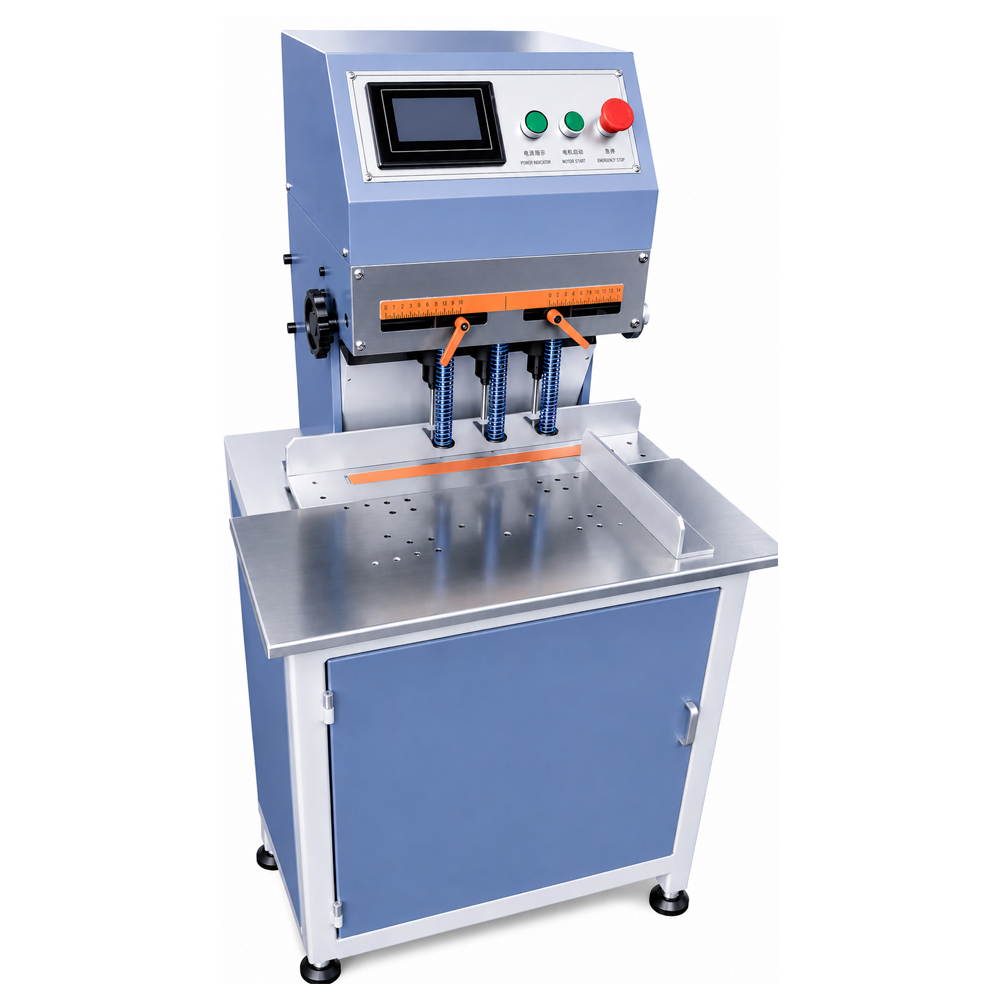 HXPD260 Three Head Paper Drilling Machine
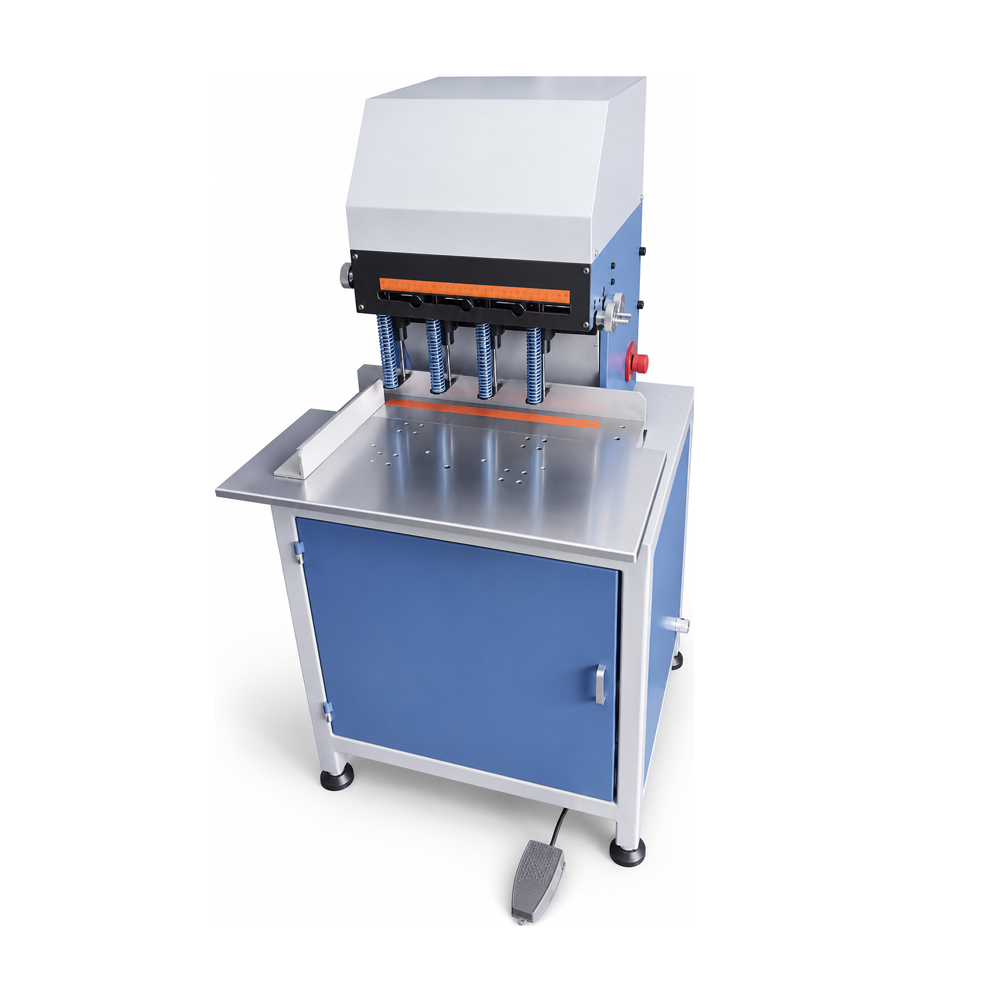 HXPD280 Four Head Paper Drilling Machine